

ISO-NE expects minimal power system impacts from partial solar eclipse
Output from behind-the-meter photovoltaics could be reduced by 600 to 800 megawatts.
Read More- Categories
- Inside ISO New England
- Tags
- solar, system operations
Add quotation marks to find an exact phrase (e.g., “offshore wind”).
Output from behind-the-meter photovoltaics could be reduced by 600 to 800 megawatts.
Read More
Understanding how much electricity solar resources can produce is an important part of power grid operations and planning.
Read More
The smoke is creating challenging conditions for ISO-NE forecasters through lower temperatures and reduced solar output.
Read More
BTM resources affect both how and when consumers use electricity from the grid.
Read More
There are a lot of factors involved, but they boil down to a simple economic concept: surplus.
Read More
On sunny days, behind-the-meter solar supplies a significant amount of electricity that otherwise would come from the grid.
Read More
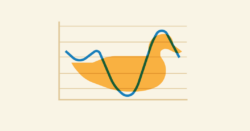
Duck curves occur when demand is lower at midday than overnight. Last year’s 100th duck curve happened in late November. This year’s was in mid-September.
Read More
Contributions from behind-all-meters solar were equivalent to the power consumed by 600,000 homes in a year.
Read More
“Duck curve” days are happening with increasing frequency and deepening impact as more behind-the-meter solar comes on line.
Read More
New tools give system planners greater insight into solar power and battery systems that reduce demand for grid electricity.
Read More