


New England grid saw 134 ‘duck curve’ days in 2025
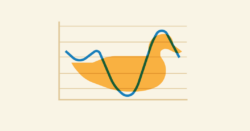
The frequency of “duck curve” days — when the regional power grid supplies less electricity at midday than overnight — continued to increase in 2025.
There were 134 duck curve days over the course of the year, up from 107 in 2024. Their frequency has been steadily increasing since New England’s first duck curve was observed in 2018.
Duck curves are a result of the growing adoption of behind-the-meter solar photovoltaics. On sunny days, these systems supply a significant amount of electricity that otherwise would come from resources directly connected to the regional grid. That’s where the name duck curve comes from: When there’s a pronounced dip in the middle, a line chart showing grid demand somewhat resembles the profile of a waterfowl.
Early on, duck curves were most prevalent on spring weekends. Solar panels tend to be most productive in the spring, and electricity demand tends to be lower outside the work week and when temperatures are mild. Today, duck curves can happen in any season and any day of the week. In fact, the region has already had one duck curve day in 2026, on Jan. 8 — a chilly Thursday.
The number of duck curve days is likely to continue increasing as more New England homes and businesses add solar panels.

- Categories
- Inside ISO New England
- Tags
- solar