

ISO-NE markets open to distributed energy resource aggregations
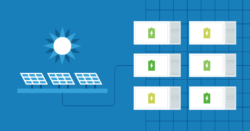
Solar, storage, and other distributed energy resources may now band together to participate in the wholesale electricity markets administered by ISO New England.
As of Nov. 1, the ISO allows distributed energy resource aggregations (DERAs) to compete with traditional resources in the capacity, energy, and ancillary services markets.
The change is a consequence of Federal Energy Regulatory Commission (FERC) Order No. 2222. It requires regional transmission organizations like ISO New England to allow aggregations of distributed energy resources to provide all wholesale market services that they are technically capable of providing. These may include demand reduction, energy injection, energy withdrawal, and regulation capabilities.
To comply with the order, the ISO led a comprehensive stakeholder process, coordinating a large number of affected entities across the six New England states.
The ISO previously developed participation models that have allowed thousands of megawatts of larger distributed energy resources to participate in the markets it administers. However, some resources were unable to meet minimum size and performance requirements to participate on their own.
Smaller resources may now be combined and coordinated by an aggregator, which is the company that will register these aggregations with the ISO and participate in the wholesale markets. DERAs may register under one more market participation models depending on their physical and operational characteristics.
Unlike more traditional energy resources, which are connected directly to the regional high-voltage transmission system, DERAs consist entirely of resources connected to local distribution systems. These can include battery and thermal storage, solar, wind, demand response, and electric vehicles with controllable charging infrastructure.
- Categories
- Inside ISO New England
- Tags
- distributed energy resources, wholesale markets